
Discover the secrets of converting Instagram likes into lucrative leads with this comprehensive guide to tracking social marketing ROI.

Table of Contents
- Importance of Having Clear Goals and Objectives
- Utilizing Analytics Tools to Track Performance
- Measuring Engagement and Reach
- Evaluating Return on Investment (ROI)
- Overview of Top Digital Marketing Tools for Small Businesses
- Features and Benefits of Each Tool
- Comparison Between Different Tools
- Tips on Selecting the Right Tool for Your Business
- Conclusion
Small businesses often struggle to navigate the ever-evolving landscape of digital marketing. With a myriad of tools and strategies available, it can be challenging to determine which ones will yield the best results. In this guide, we will explore the key elements of measuring social marketing success, from setting goals to analyzing performance metrics.
Importance of Having Clear Goals and Objectives
Before diving into the world of social marketing, it’s crucial for small businesses to establish clear goals and objectives. Whether the aim is to increase brand awareness, drive website traffic, or boost sales, having a well-defined target will help focus marketing efforts in the right direction. By setting specific, measurable, achievable, relevant, and time-bound (SMART) goals, businesses can track their progress and adjust their strategies accordingly.
Utilizing Analytics Tools to Track Performance
Once goals are in place, the next step is to leverage analytics tools to monitor social marketing performance. Platforms like Google Analytics, Hootsuite, and Sprout Social provide valuable insights into key metrics such as engagement, reach, and conversion rates. By regularly analyzing these metrics, businesses can identify which campaigns are driving the most value and make data-driven decisions to optimize their social marketing efforts.
Please contact us @ 8178535537 for all your Digital Marketing needs.
Measuring Engagement and Reach
Engagement and reach are two critical indicators of social marketing success. Engagement metrics include likes, comments, shares, and clicks, reflecting how actively the audience is interacting with the content. Reach, on the other hand, measures the number of people who see the content, indicating its exposure to the target audience. By monitoring these metrics, businesses can gauge the effectiveness of their social campaigns and tailor their content to maximize engagement and reach.
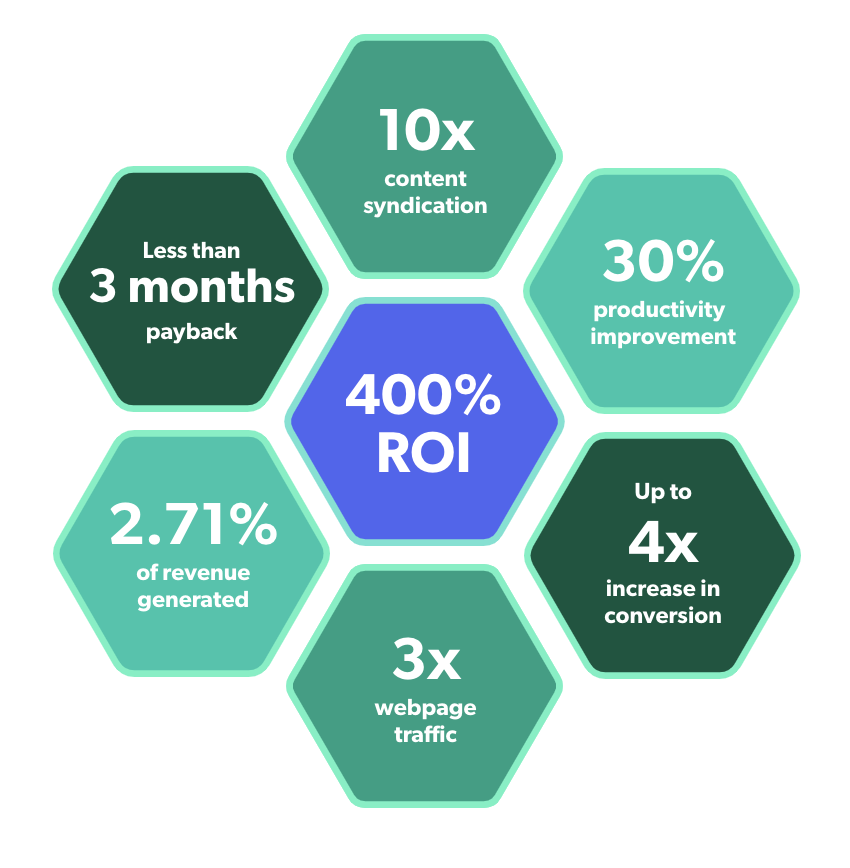
Image courtesy of via Google Images
Evaluating Return on Investment (ROI)
Ultimately, the goal of social marketing is to generate a positive return on investment (ROI) for small businesses. Calculating ROI involves comparing the revenue generated from social marketing efforts to the costs incurred, including advertising spend, content creation, and analytics tools. By tracking ROI over time, businesses can assess the profitability of their social campaigns and allocate resources to channels that deliver the best results.
Overview of Top Digital Marketing Tools for Small Businesses
When it comes to digital marketing tools, small businesses have a wide array of options to choose from. Platforms like Mailchimp, Canva, Buffer, and digiRANKING offer user-friendly features designed to streamline marketing activities and drive results. By leveraging these tools, businesses can automate processes, create compelling content, and track performance metrics more effectively.
Image courtesy of via Google Images
Features and Benefits of Each Tool
Mailchimp, a popular email marketing platform, enables businesses to design professional email campaigns, segment their audience, and track key performance metrics such as open rates and click-through rates. Canva, a graphic design tool, offers a range of templates and design elements to create visually appealing social media posts and ads. Buffer, a social media management platform, allows businesses to schedule posts, analyze performance data, and engage with their audience in real-time.
Comparison Between Different Tools
While each digital marketing tool has its unique features and benefits, businesses must compare them based on their specific needs and objectives. Mailchimp may be ideal for businesses looking to nurture leads through email marketing, while Canva may be better suited for those focusing on visual content creation. By evaluating the features, pricing, and customer support of each tool, businesses can make informed decisions that align with their marketing goals.

Image courtesy of via Google Images
Tips on Selecting the Right Tool for Your Business
Choosing the right digital marketing tool is a crucial decision that can impact the success of social marketing campaigns. To select the best tool for their business, small businesses should consider factors such as scalability, integration with existing systems, ease of use, and customer support. Additionally, businesses can take advantage of free trials and demos to test the functionality and suitability of different tools before making a final decision.
Conclusion
Tracking social marketing ROI is key to unlocking the full potential of digital marketing for small businesses. By setting clear goals, utilizing analytics tools, measuring engagement and reach, and evaluating ROI, businesses can optimize their social campaigns and drive meaningful results. With the right digital marketing tools and strategies in place, small businesses can transform likes into leads and elevate their online presence in the competitive landscape of digital marketing.
How can small businesses track their social marketing ROI effectively?
Small businesses can track their social marketing ROI by setting clear goals, utilizing analytics tools, measuring engagement and reach, and evaluating return on investment regularly.
What are some essential metrics to monitor for social marketing success?
Essential metrics to monitor for social marketing success include engagement (likes, comments, shares, clicks), reach, conversion rates, and return on investment.
How can small businesses choose the right digital marketing tool for their social campaigns?
Small businesses can choose the right digital marketing tool by considering factors such as scalability, integration, ease of use, customer support, and testing tools through free trials and demos.
Why is it crucial for small businesses to have clear goals and objectives in social marketing?
Having clear goals and objectives in social marketing helps small businesses focus their efforts, track progress effectively, make data-driven decisions, and optimize campaigns for better results.
For Best and AI Based Digital Marketing
Generated by Texta.ai Blog Automation
Leave a Reply